Data & sources
Record where information comes from, when it was produced and how it may be used.
 RESEARCH &
KNOWLEDGE-DRIVEN AI
Design knowledge, data, reasoning and responsibility together. Organize domain semantics with ontologies and knowledge graphs, and connect model outputs with explicit rules through neuro-symbolic methods.
SIX PARTS. ONE REVIEWABLE PATH.
Record where information comes from, when it was produced and how it may be used.
Organize scattered records through consistent objects, relationships and timelines.
Preserve sources, versions, conditions and exceptions so rules can be checked.
Show candidate conclusions alongside supporting information, gaps and scope.
Responsible people can add context, reject, defer or confirm.
Record review outcomes. Use controlled evaluation to decide what changes.
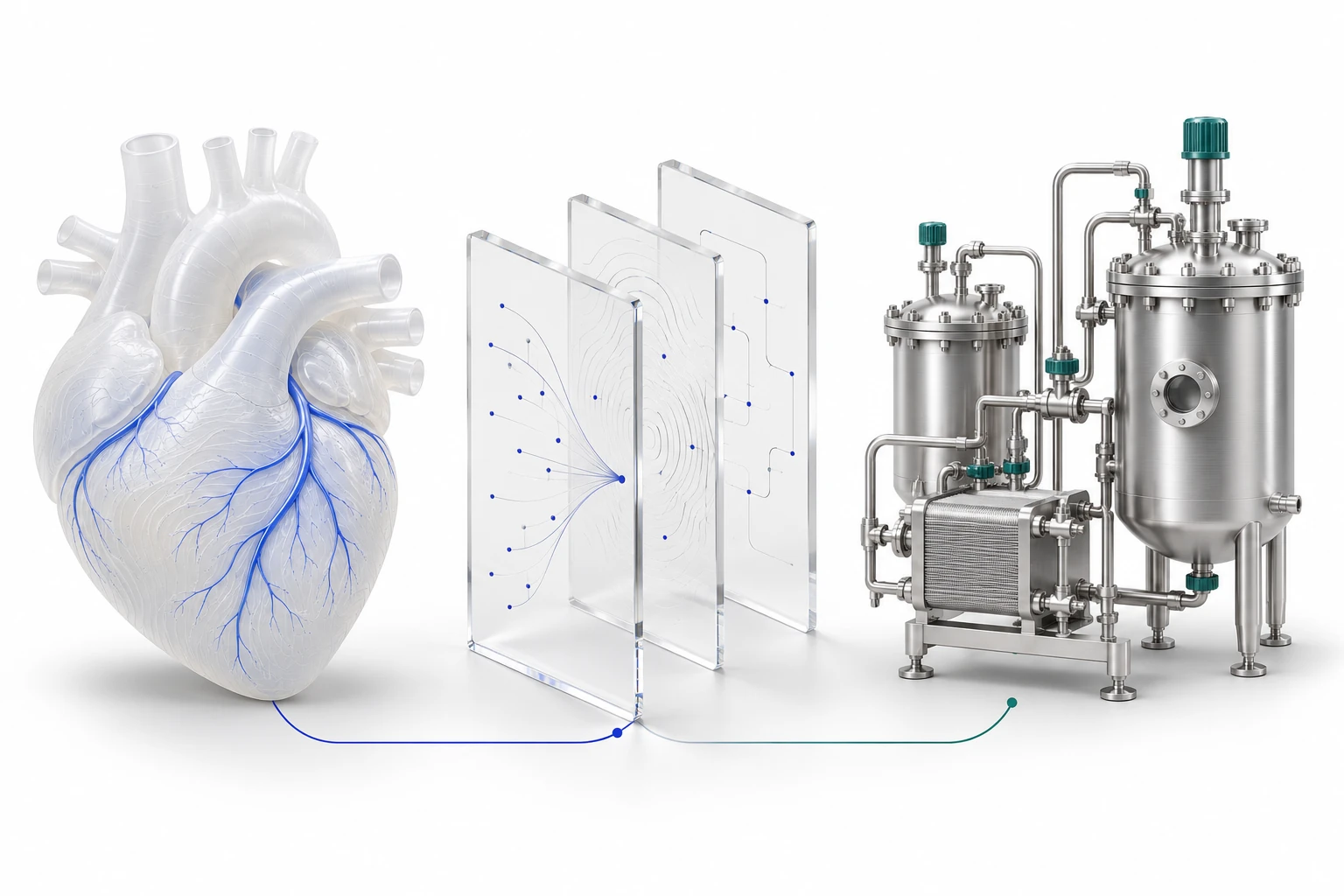
Clinical medicine and smart factories share methodological principles. Their knowledge, data and validation must be established separately.
Clinical work organizes information and evidence around research and review questions. Clinicians and researchers assess applicability. Industrial work connects batches, equipment and process context; authorized people decide critical actions.
Start by defining the use case, data conditions and possible failure modes. Then check provenance, rules, missing or conflicting information, review flows and outcome records.
No. It means identifying scope, exposing gaps and preserving review and correction mechanisms.
The approach emphasizes reusable domain knowledge, rules and evaluation assets. Model choice and deployment are assessed per project.
Shared principles can travel. Domain knowledge, data, responsibilities and validation must be established for each use case.
LET’S START A CONVERSATION
Start with the question, data and responsibilities. Define the evaluation scope together.
Discuss a use case